

A photograph in.
A reviewable tracing out.
Seconds, not hours.
Speed up prehistoric rock art documentation with automated tracings, speedy motif classification and built-in editing tools made with archaeology specialists in mind. Analyze, archive and share your findings with ease — and shift precious time from digital processing back to FIELDWORK, CONSERVATION AND RESEARCH.
Already use Ra3i? Access it here.
distinct automatic processing sequences, growing as new techniques are added
average time saved from photograph to a usable first tracing
reviewable: each step, parameter and decision is documented as it happens, not written up afterwards
Rock art doesn't wait for us.
pigments
rock faces
threats
Panels fade under sunlight, flake from unstable rock faces, and are sometimes lost to vandalism or development before they are ever fully recorded. The single greatest constraint on documenting them has never been a shortage of will — it has been a shortage of time.
Ra3i is designed to adapt to the immense variability found in rock art
across the globe, while keeping documentation consistent and searchable.
That means collections as different as the trans-Saharan depictions of Sahel (Burkina Faso) and the complex narrative scenes of Serra da Capivara (Brazil) can be documented on a common, comparable basis. Collaboration, cross-checking, and further research: Made easier.
Ra3i documents what can be seen in the rock: The panel, its motifs, and their characteristics. The interpretation of what those images mean remains with the archaeologist.
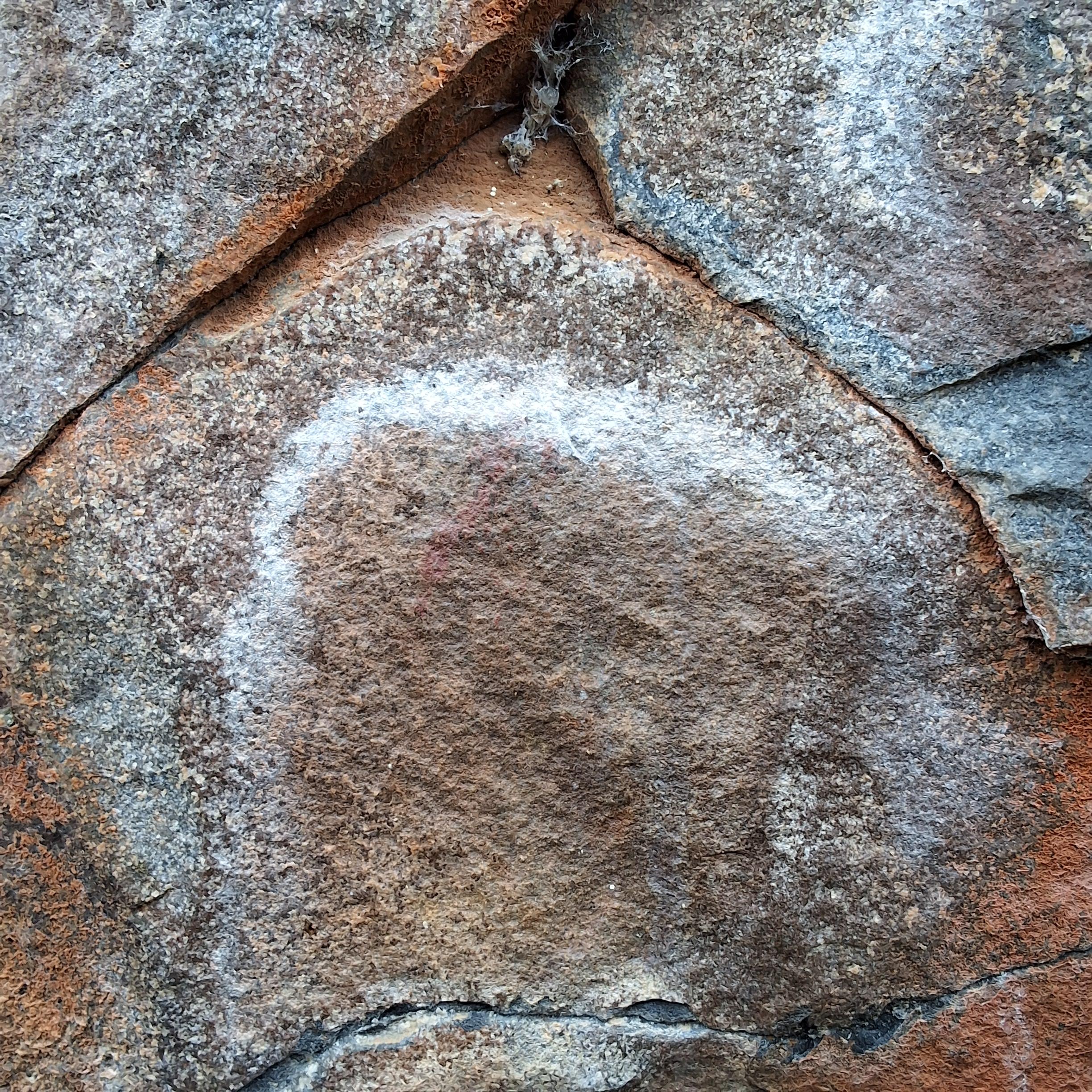
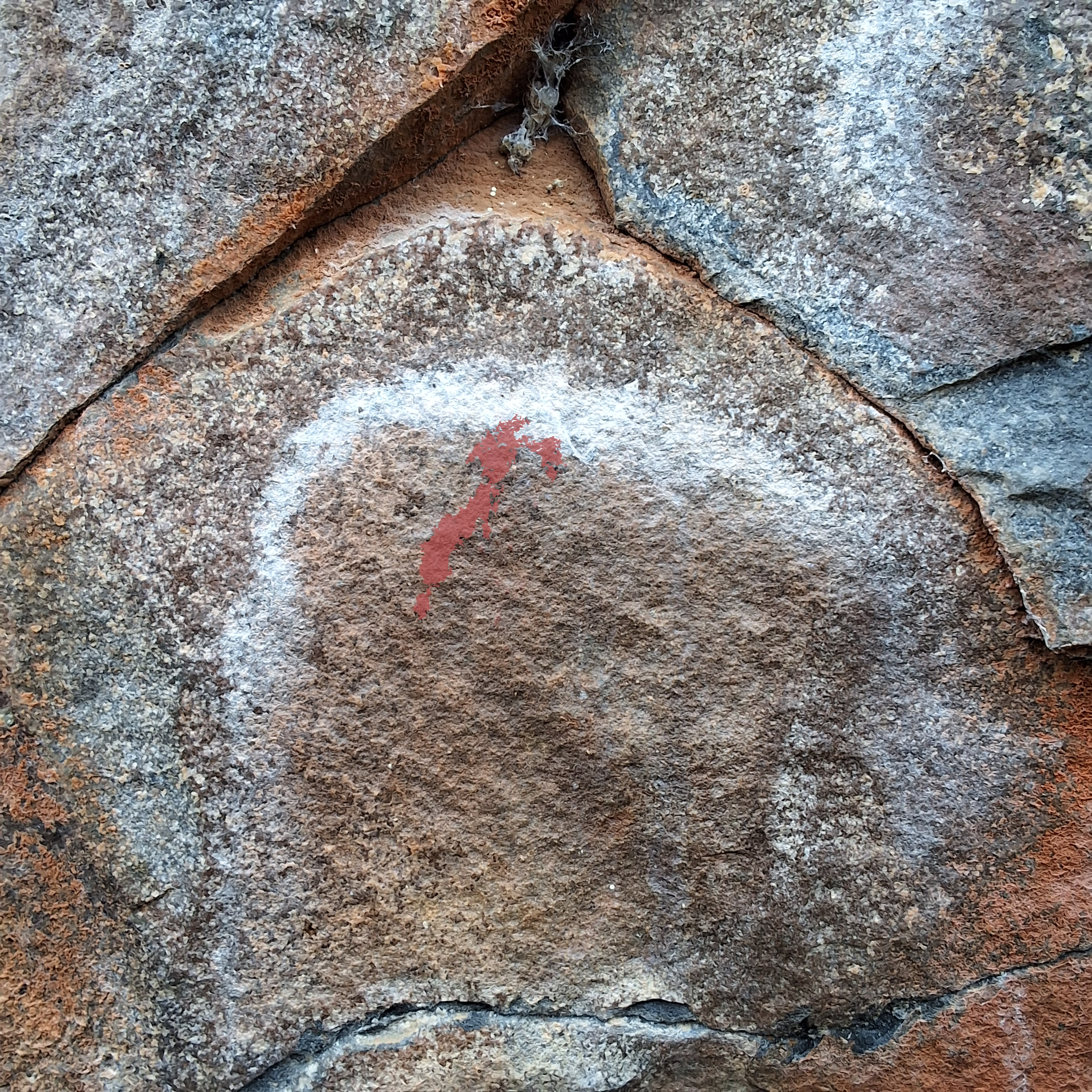
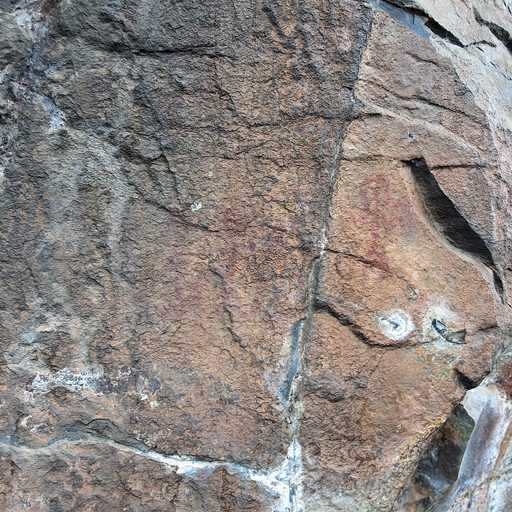
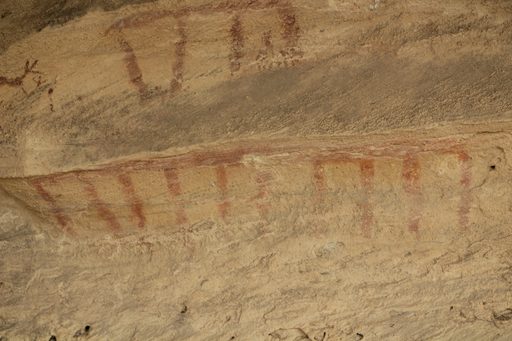
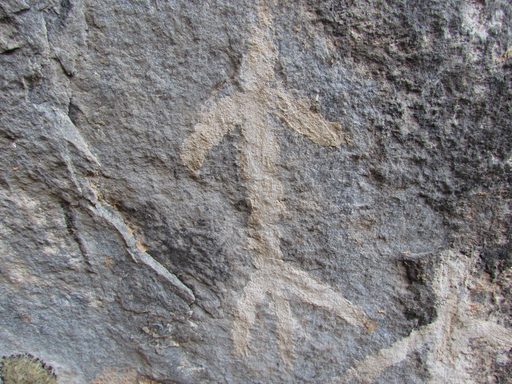
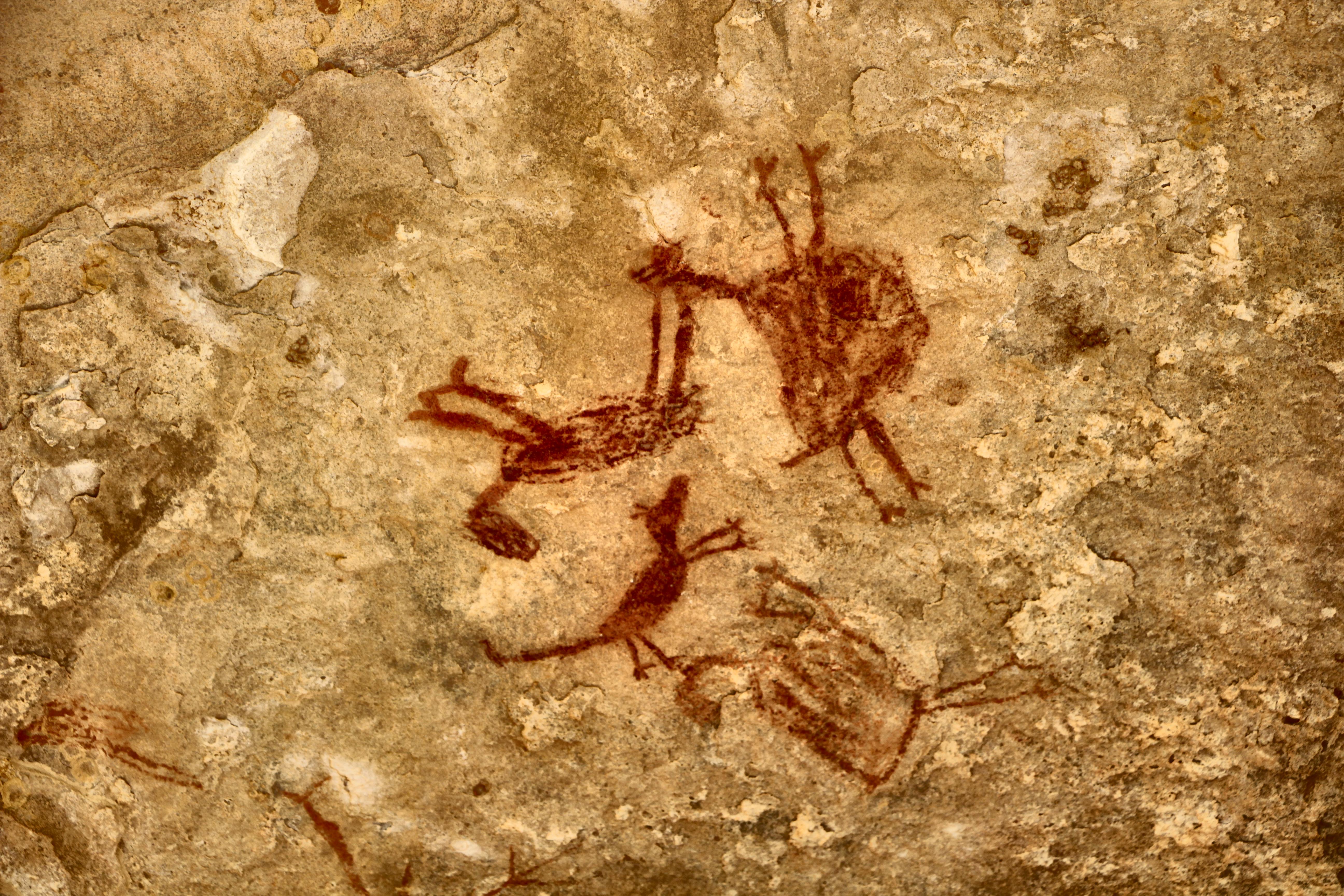
There's almost nothing to see in this photograph. Pull the handle across and you get what Ra3i found in it: A faint painting persists.
From here it's the archaeologist's call: keep the lines that are right, fix the ones that aren't.
Three contexts. One less thing to do by hand.
Ra3i removes the most time-consuming part of documentation so you can focus on what only your expertise can do.
Archaeologists & rock art researchers
Document more before the site changes.
Tracing a panel can take hours at a desk. Ra3i turns the first pass into a reviewable result in seconds, giving researchers more time for fieldwork and interpretation.
Heritage & conservation authorities
Keep documentation consistent across sites.
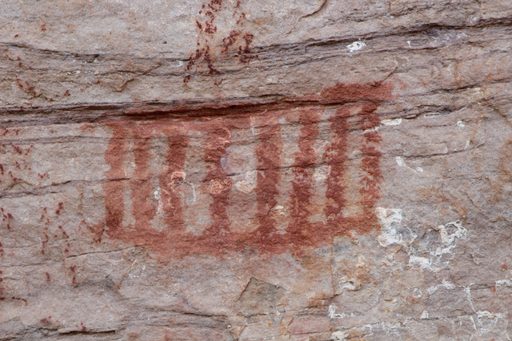
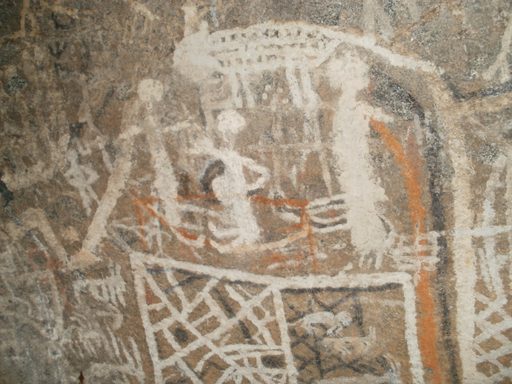
Different surfaces, light and pigment make every photograph different. Ra3i adapts its processing to each case while keeping the workflow repeatable.
Museums, universities & research institutions
Turn collections into comparable data.
Classification across thousands of images becomes practical. Results are cross-checked and reviewable, making large-scale research and pattern analysis easier than ever.
A partner in rock art documentation.
Ra3i handles the grunt work so you can spend more time on what requires your expertise. See the what, why and how below, and document with confidence.

in
record out
Read the image
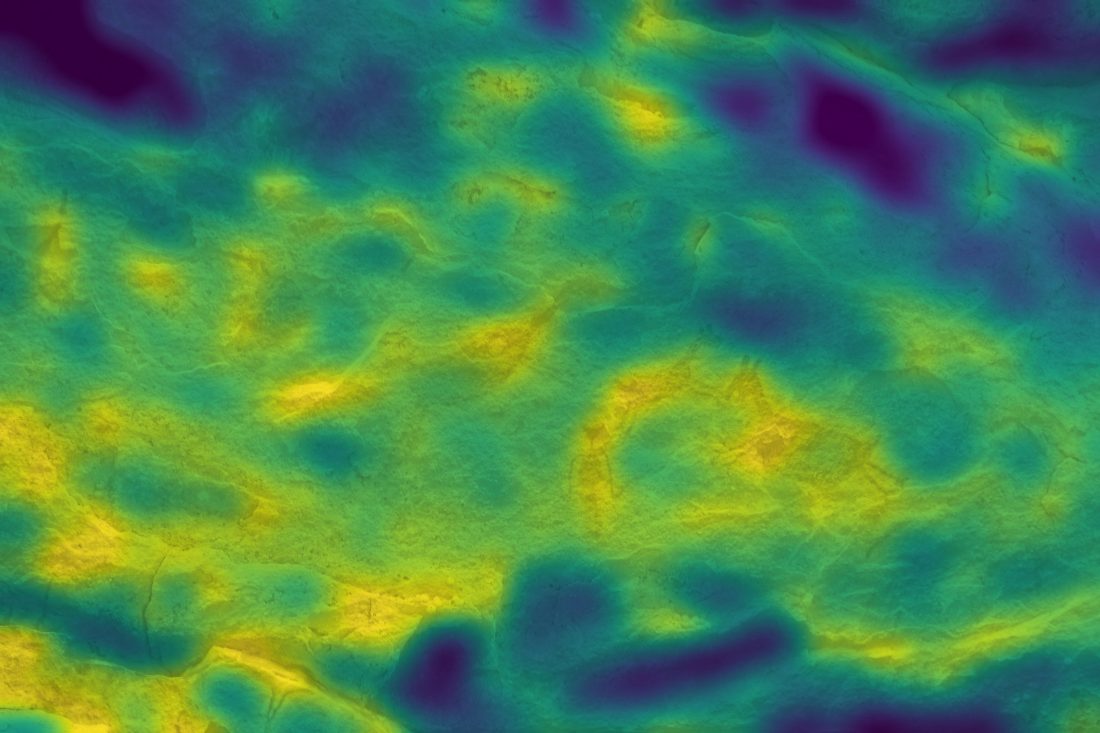
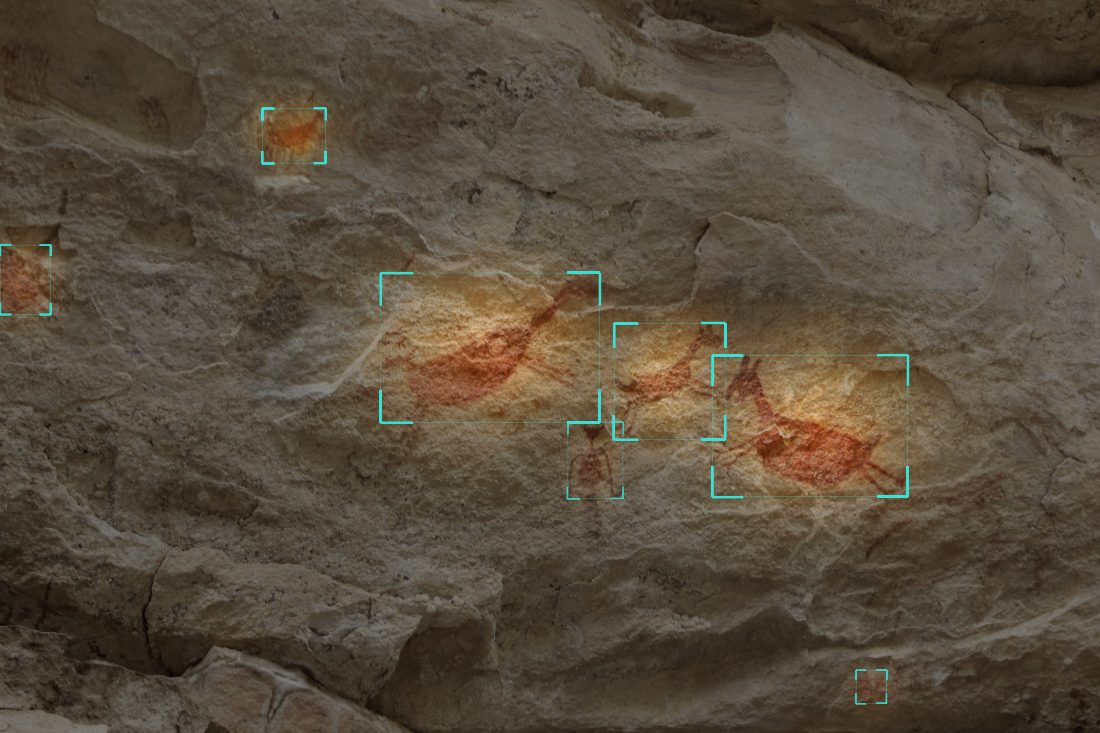
Before deciding how to process a photograph, Ra3i studies it: the quality of the light, the condition of the rock surface, the likely pigment, and roughly where the motifs sit on the panel. This builds a complete profile of the image that guides everything that follows.
Build the tracing
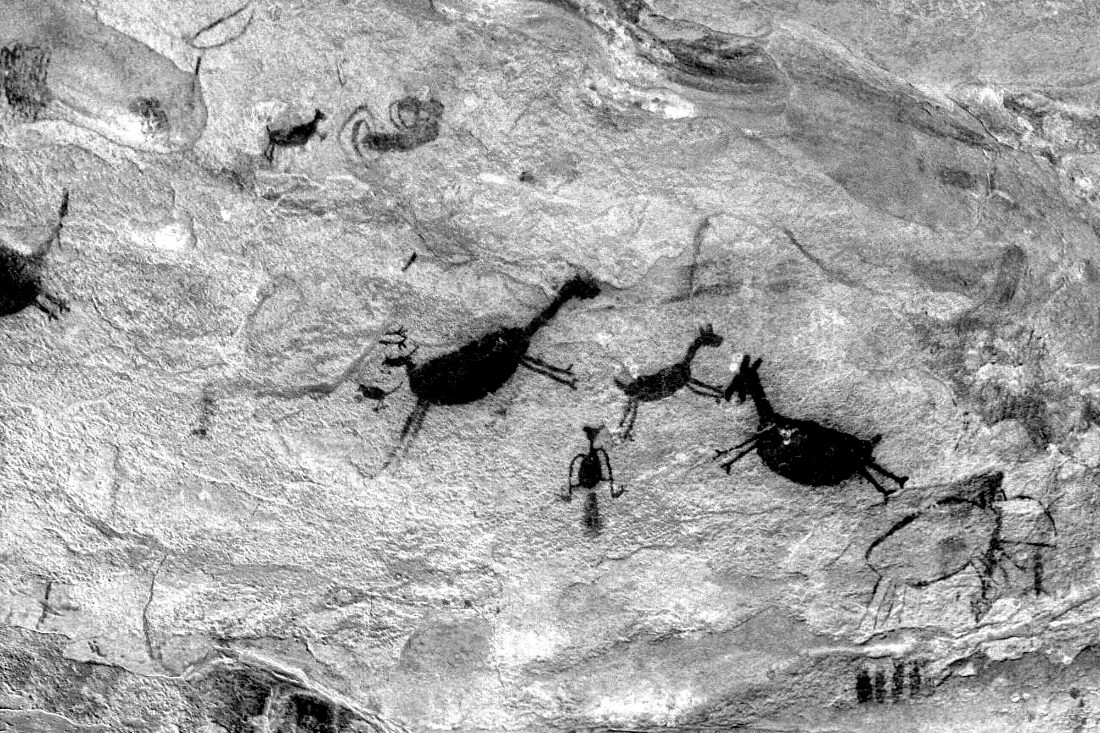
Ra3i chooses how to process the image automatically, drawing on a library of more than 40 domain-specialised filtering, masking, cleaning, and overlay techniques, and selecting the combination that fits this specific photograph. Every technique applied, parameter chosen, and intermediate result is recorded in a process log you can open, check, and edit.
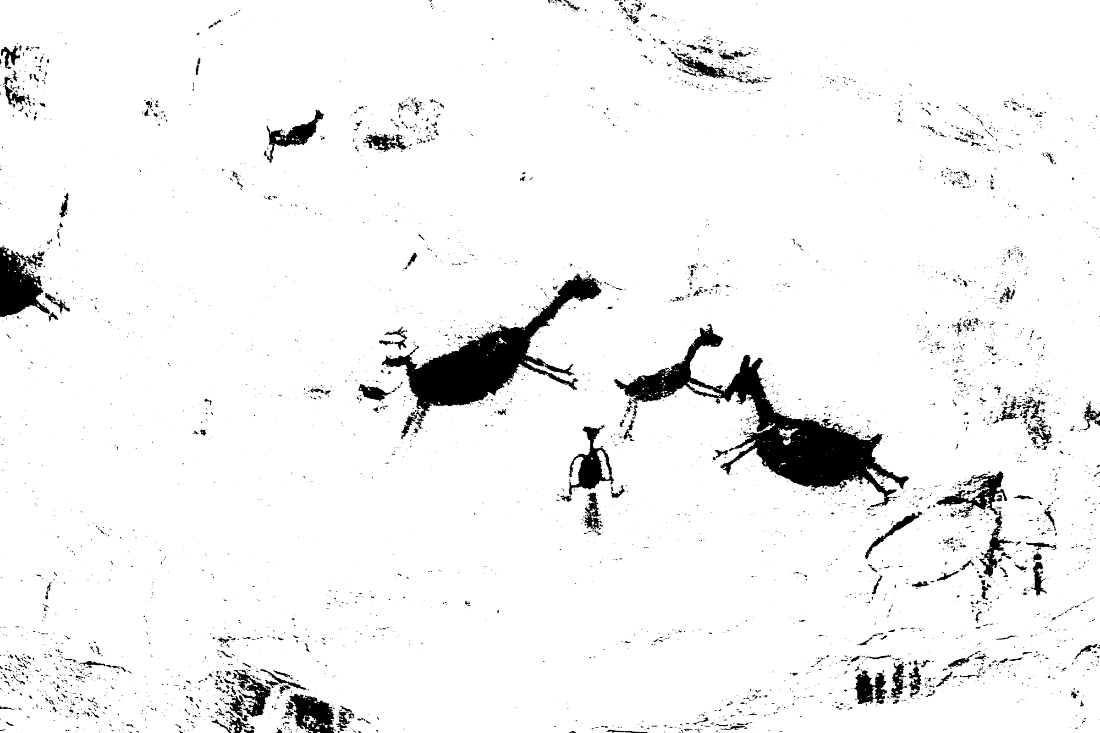
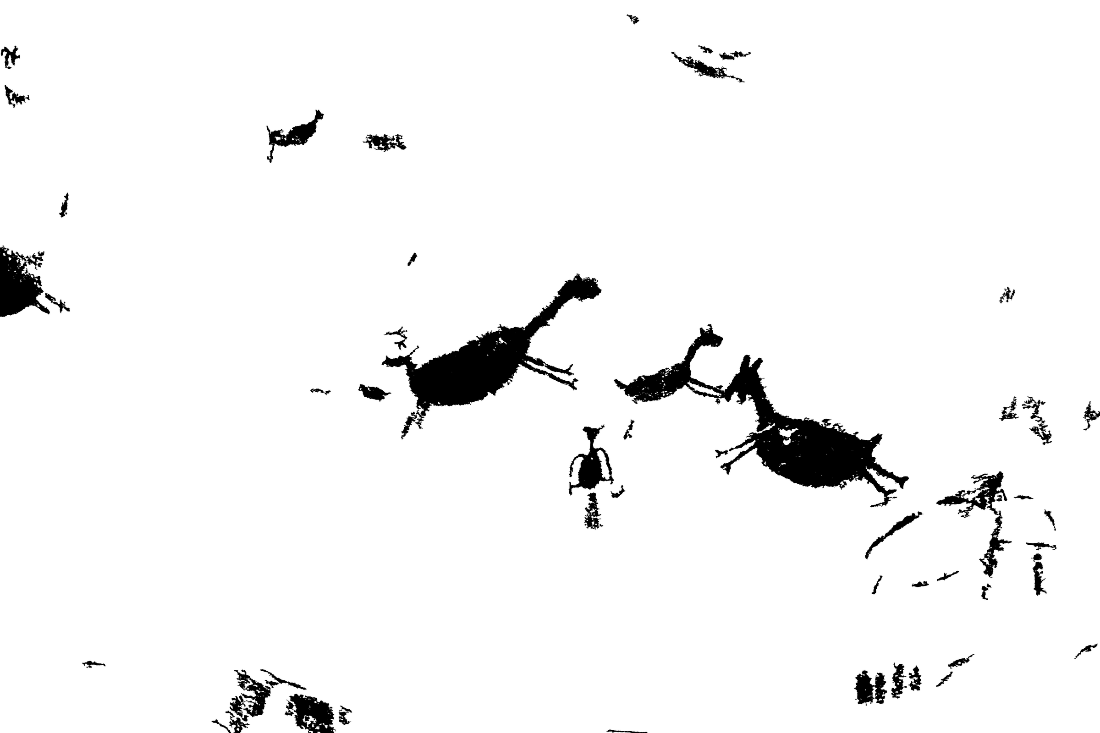
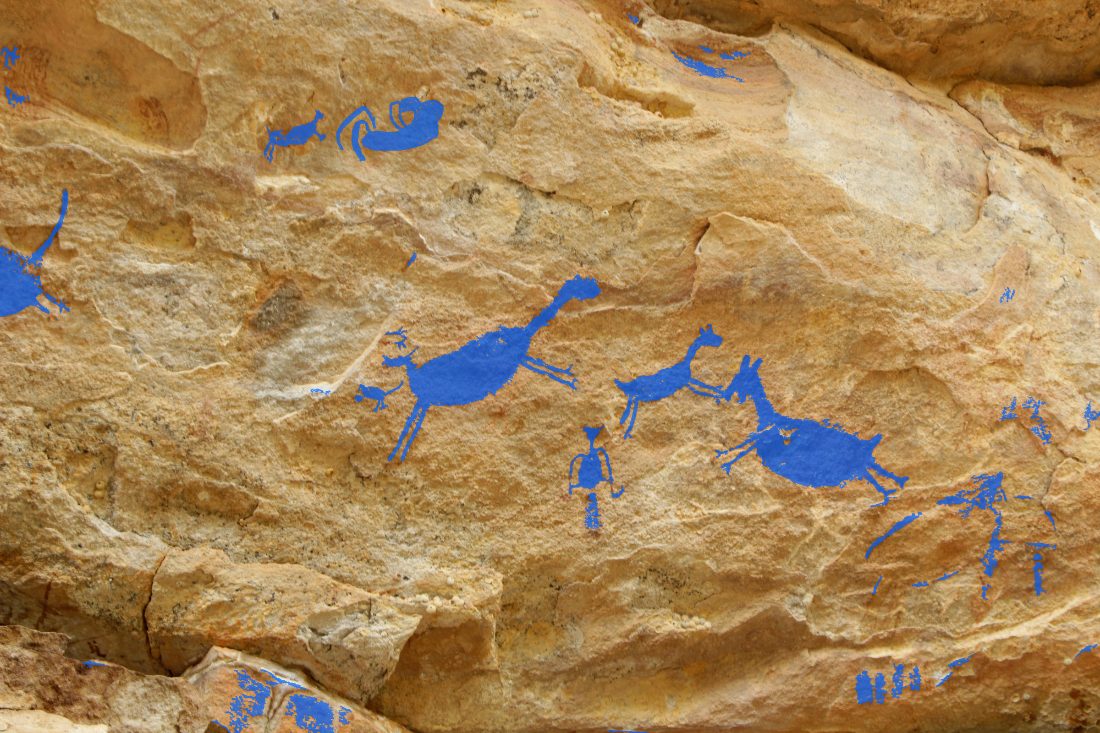
Identify what's there
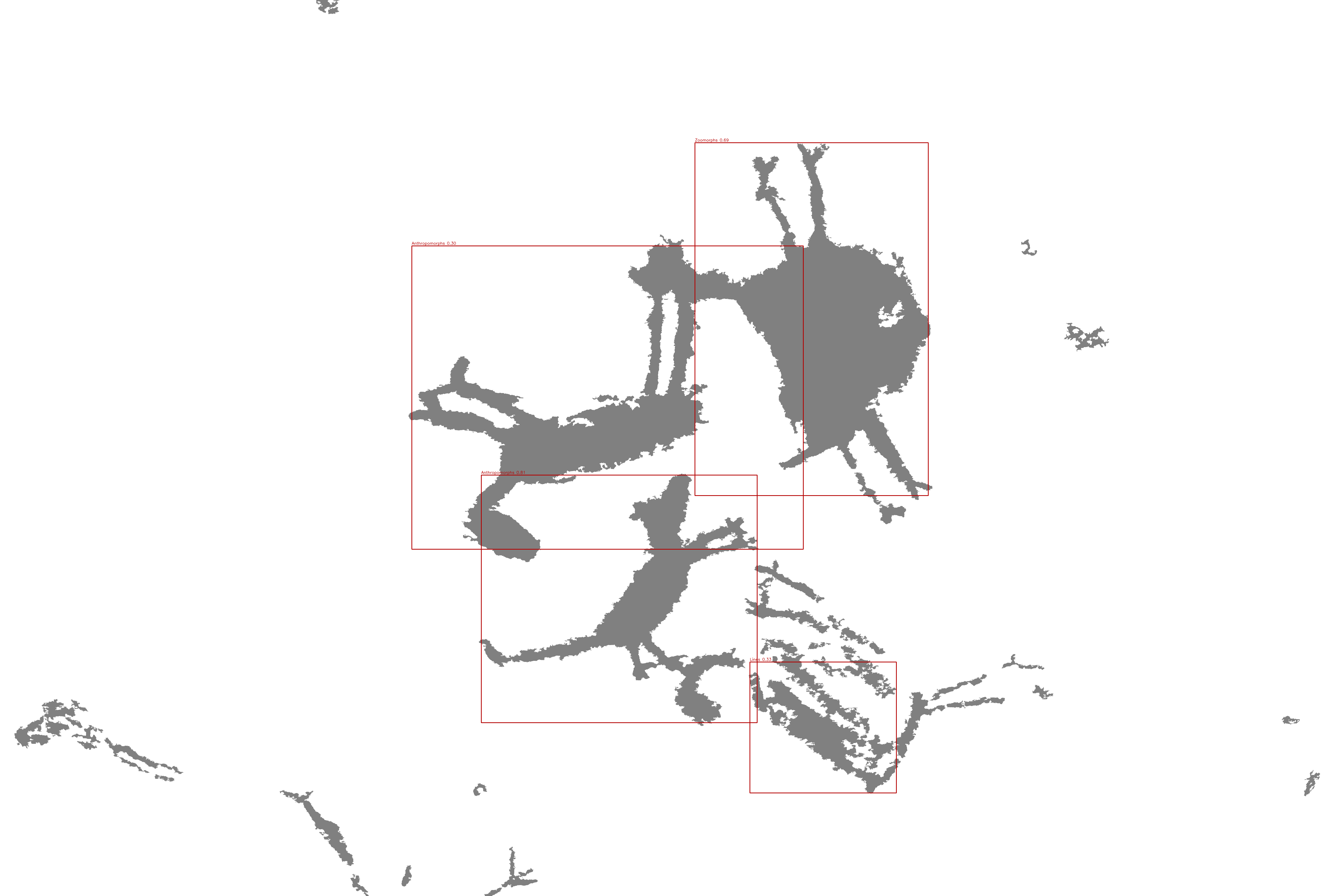
Ra3i identifies what's depicted — a zoomorph, an anthropomorph, and so on — by examining both the original photograph and the tracing it just produced. Because two independent analyses have to agree, every detection arrives with an explicit confidence score rather than a flat yes-or-no.
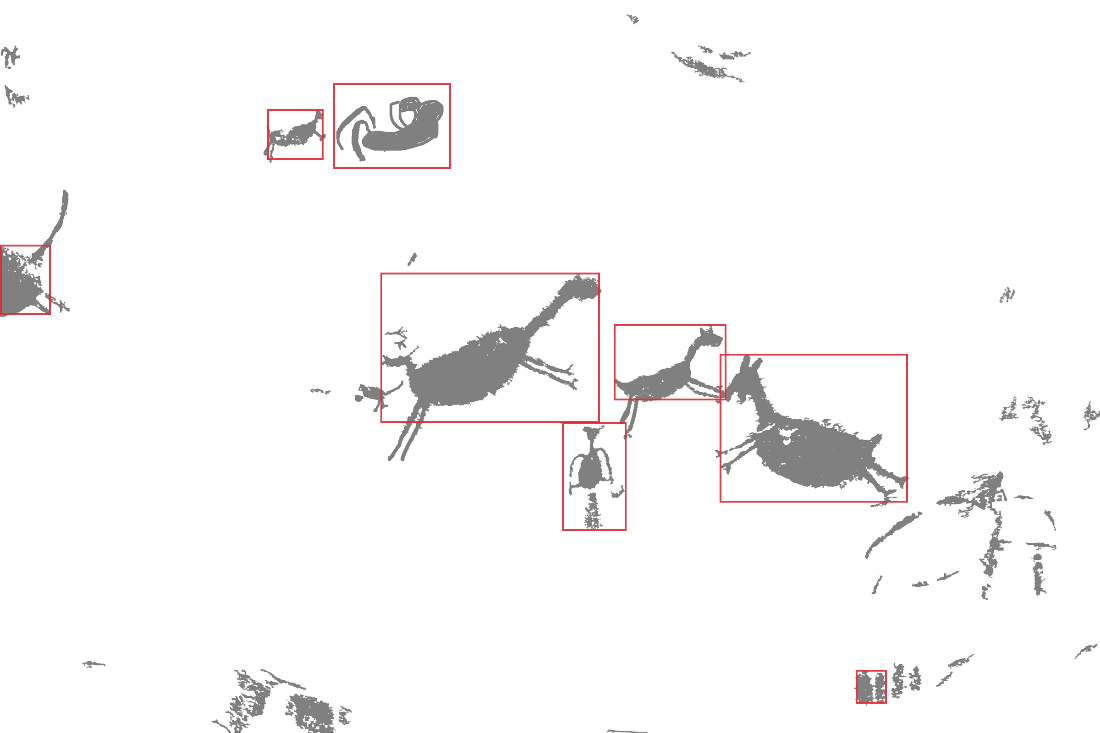
It gets better with use
When a new photograph resembles a case it has handled before, Ra3i can start from a previous solution rather than starting from scratch.
It checks its own work
Ra3i checks every step against the one before it, and rolls back anything that loses information.
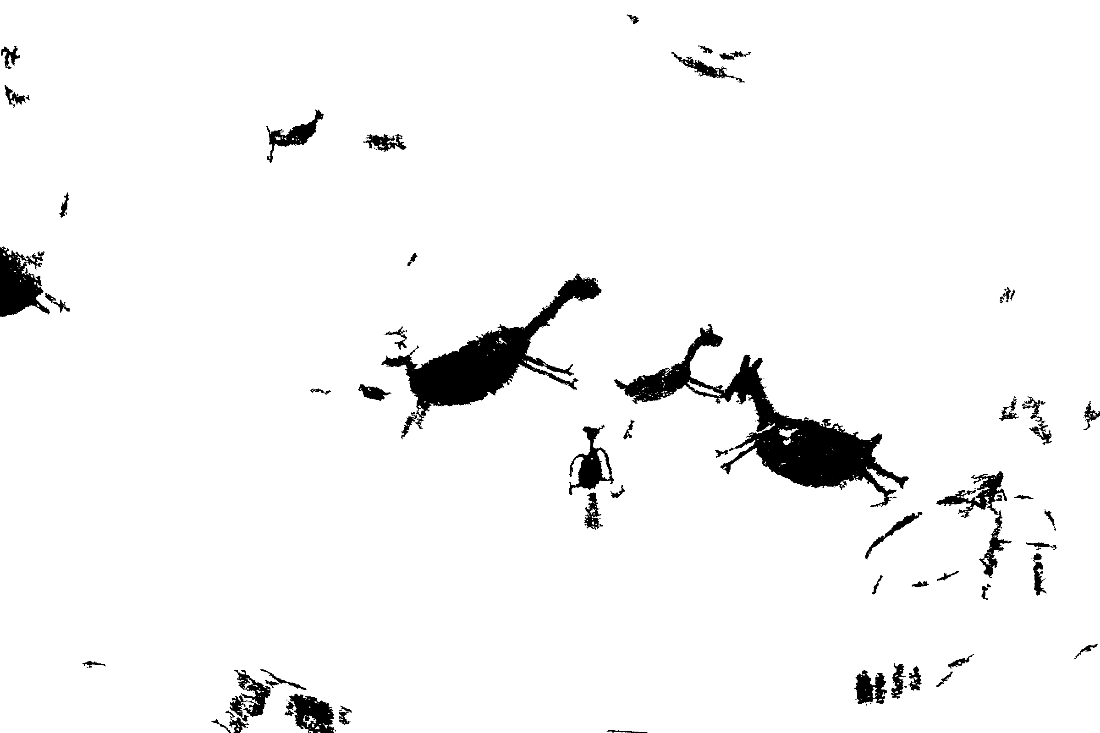
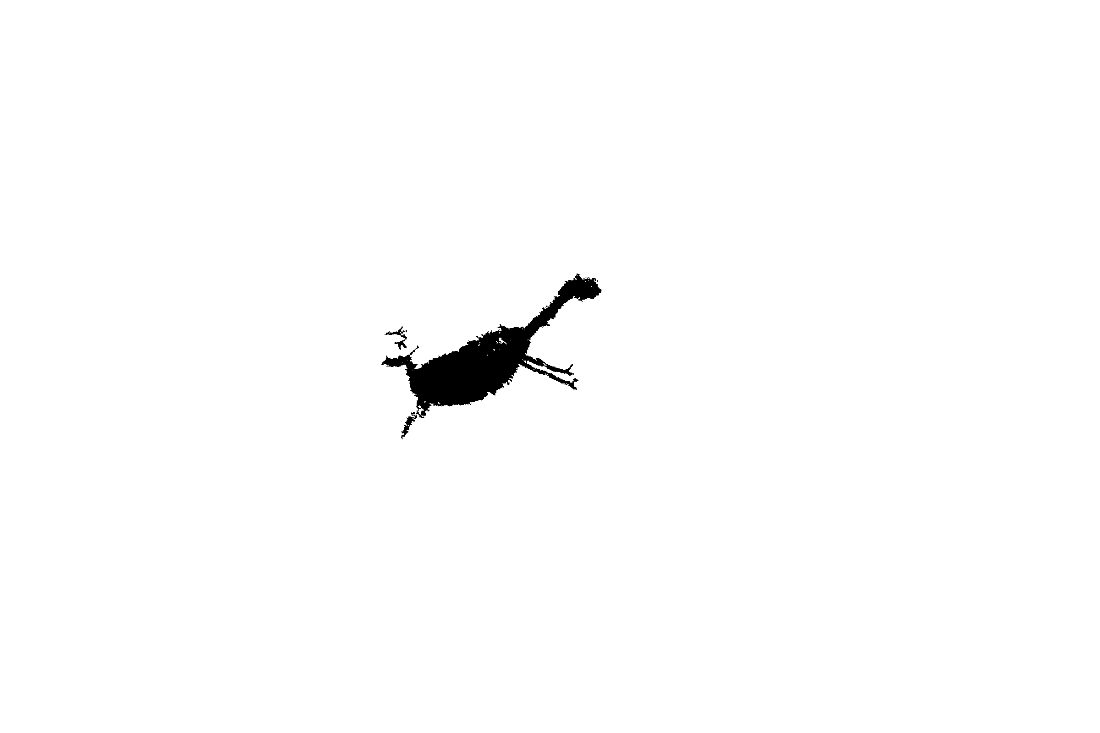
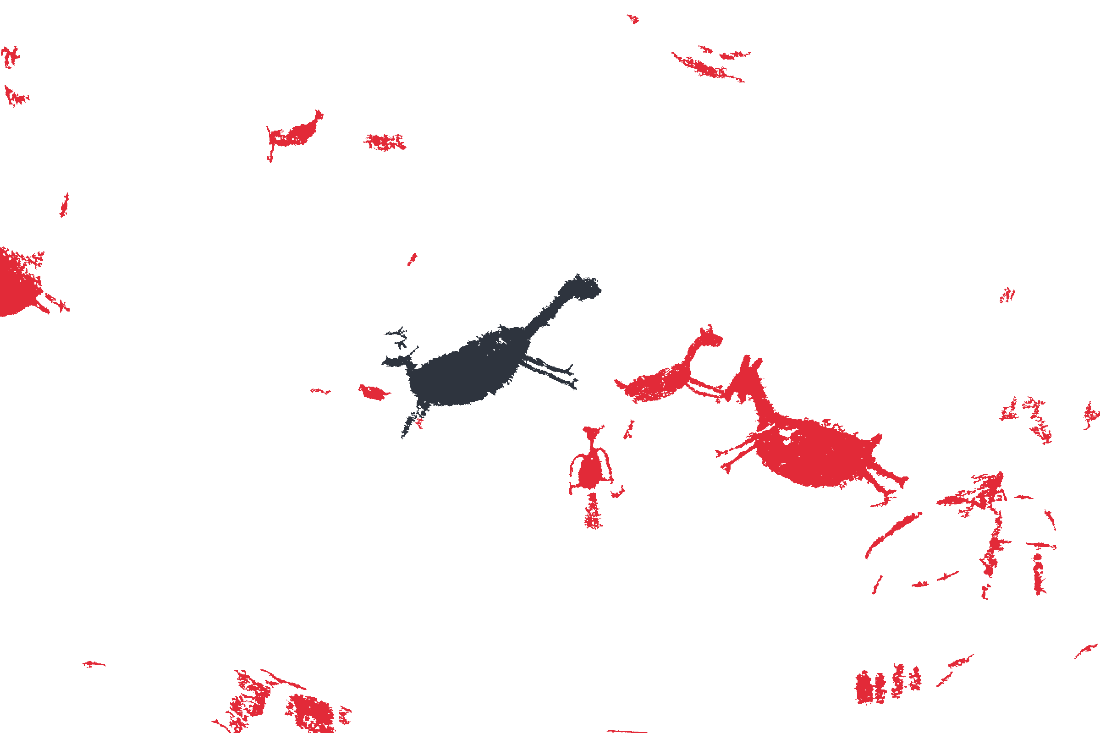
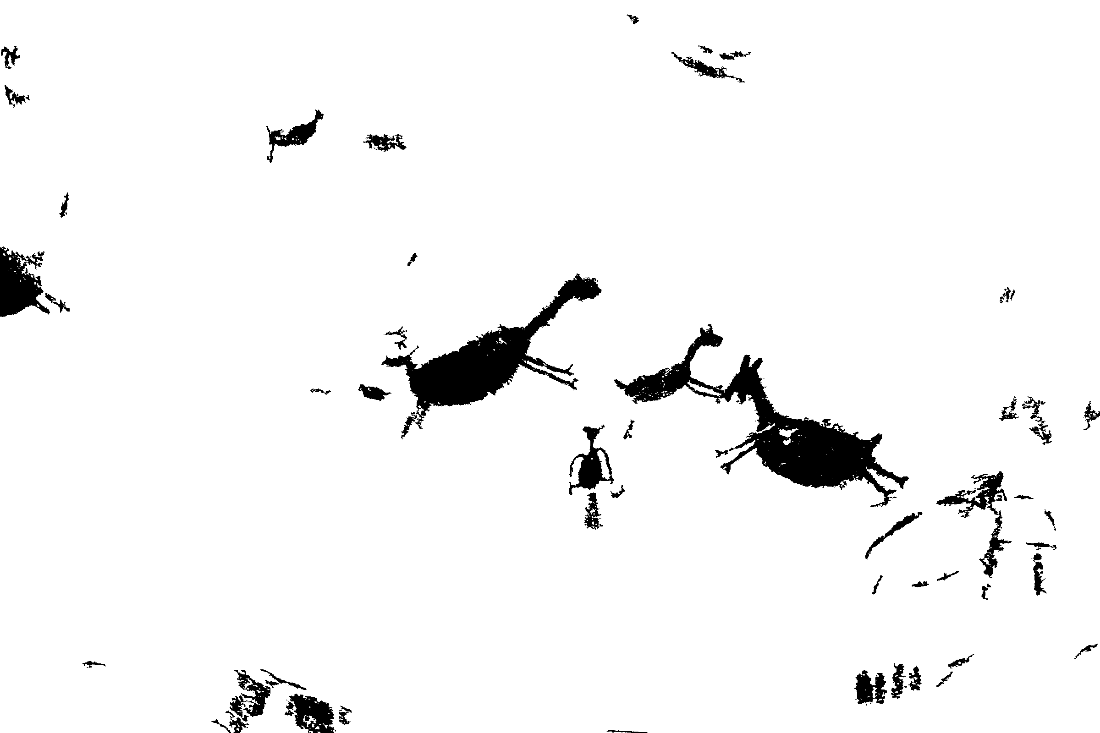
Nothing stays hidden
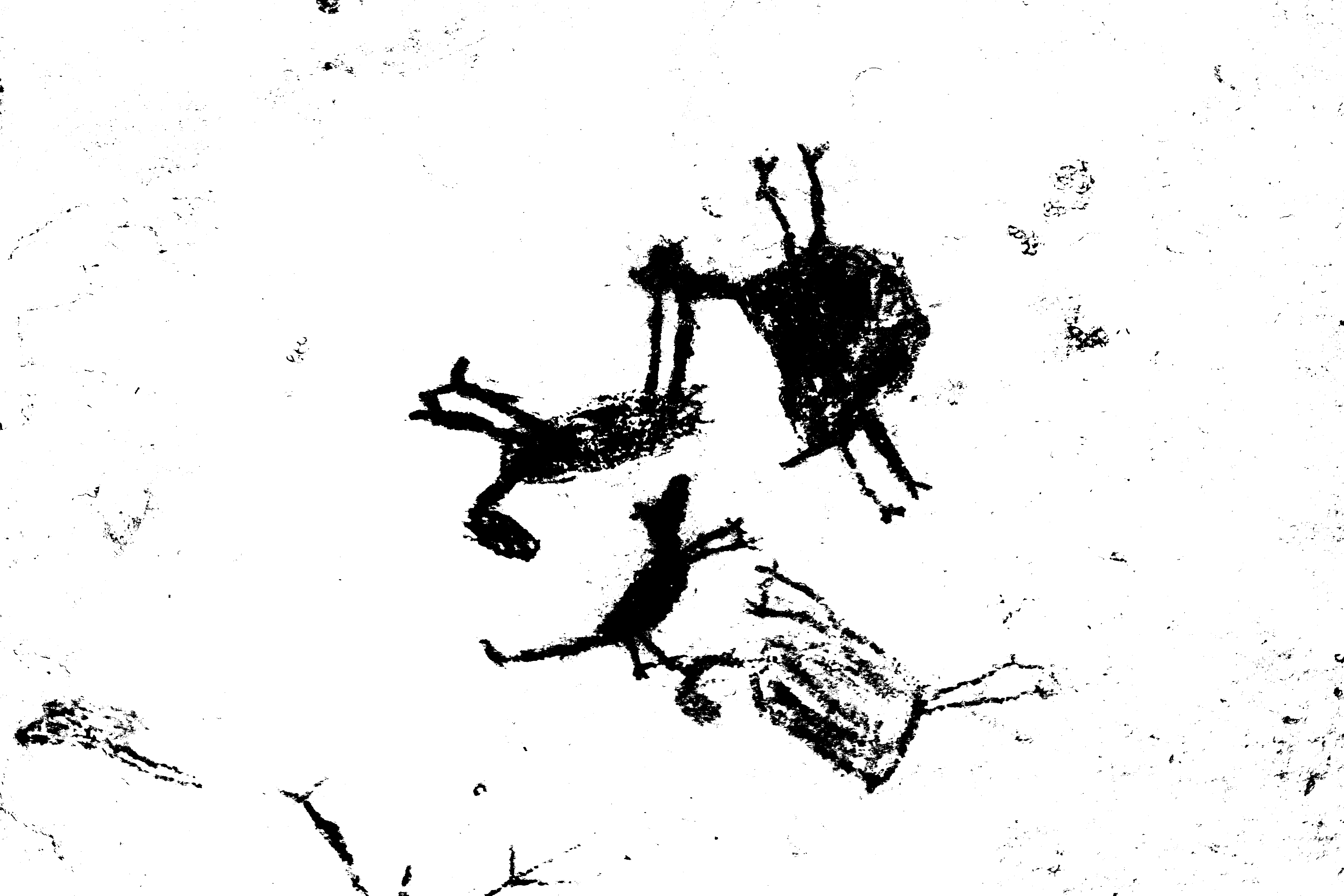
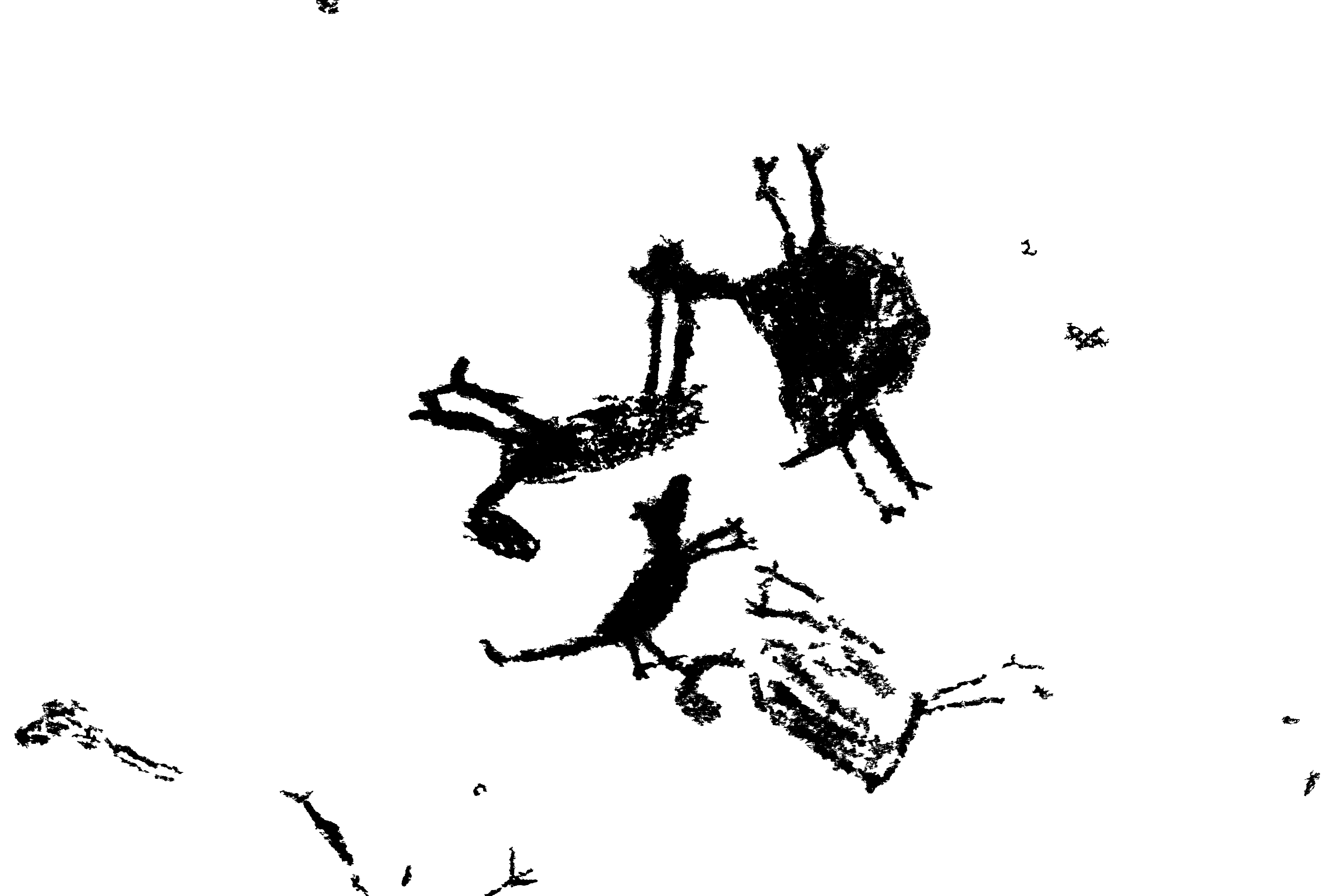
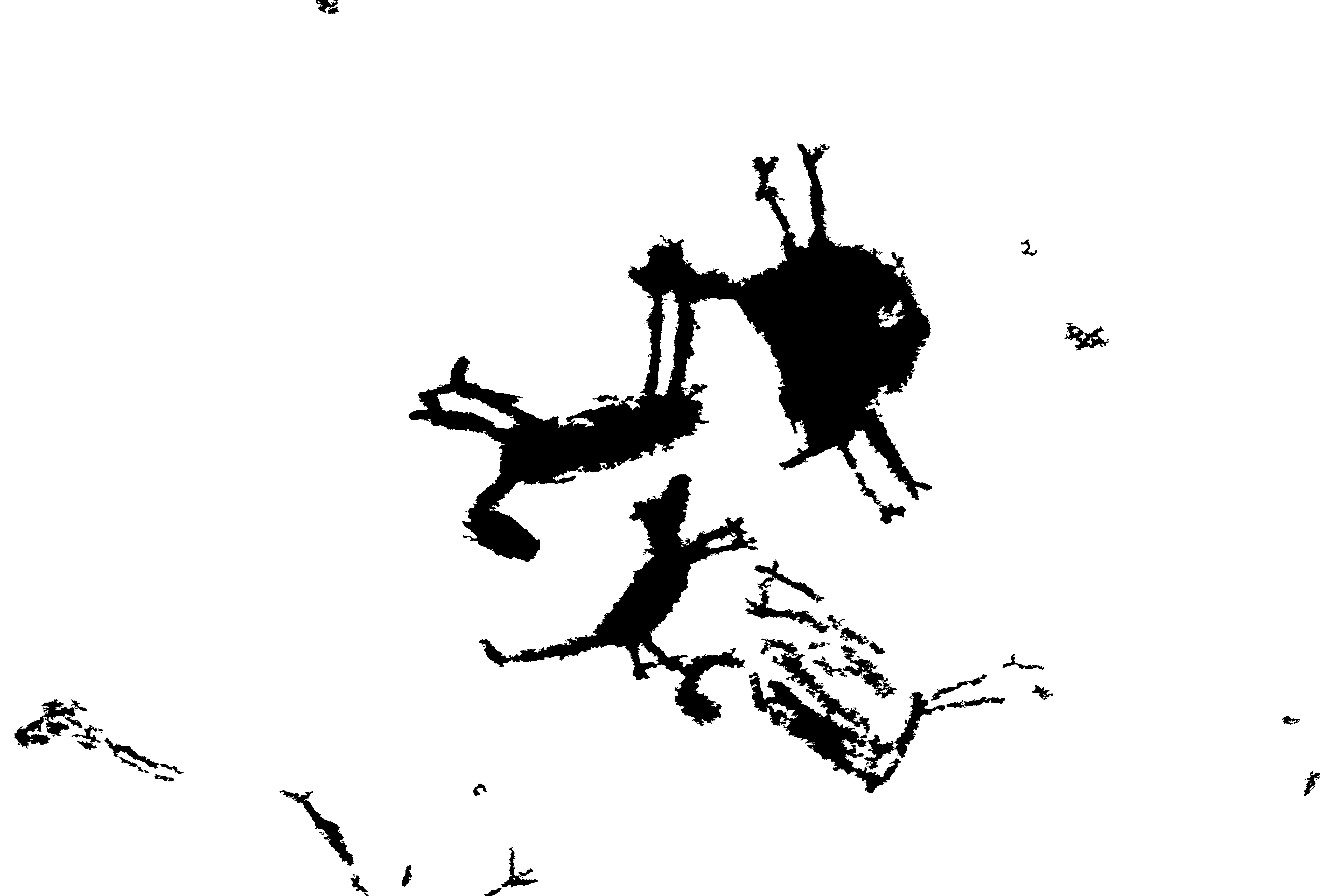
Every technique Ra3i applies is shown as an image explained in plain language: What it did, and why it was useful for this photograph.
{{ s.title }}
{{ s.why }}
Trace faster, trace more.
Ra3i cuts tracing time by 99.7%*, allowing teams to shift their attention from manual tracing to fieldwork, documentation, and the sites that need it most.
By applying domain-specific image analysis, Ra3i treats every image as a new challenge. It detects pigment, surface complexity, erosion, compositional details and over a dozen other indicators to build unique processing sequences, each tailored to best suit the panel in question.
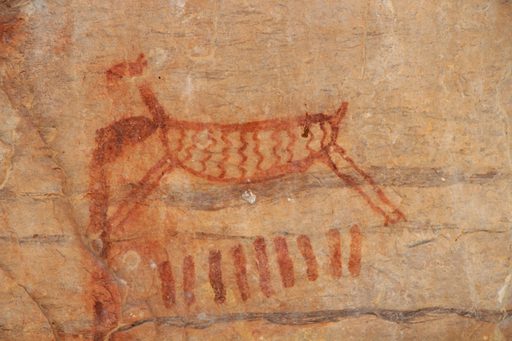
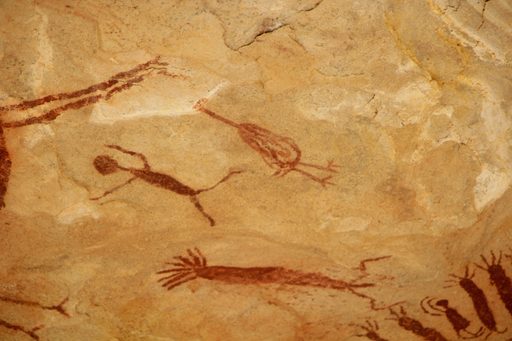
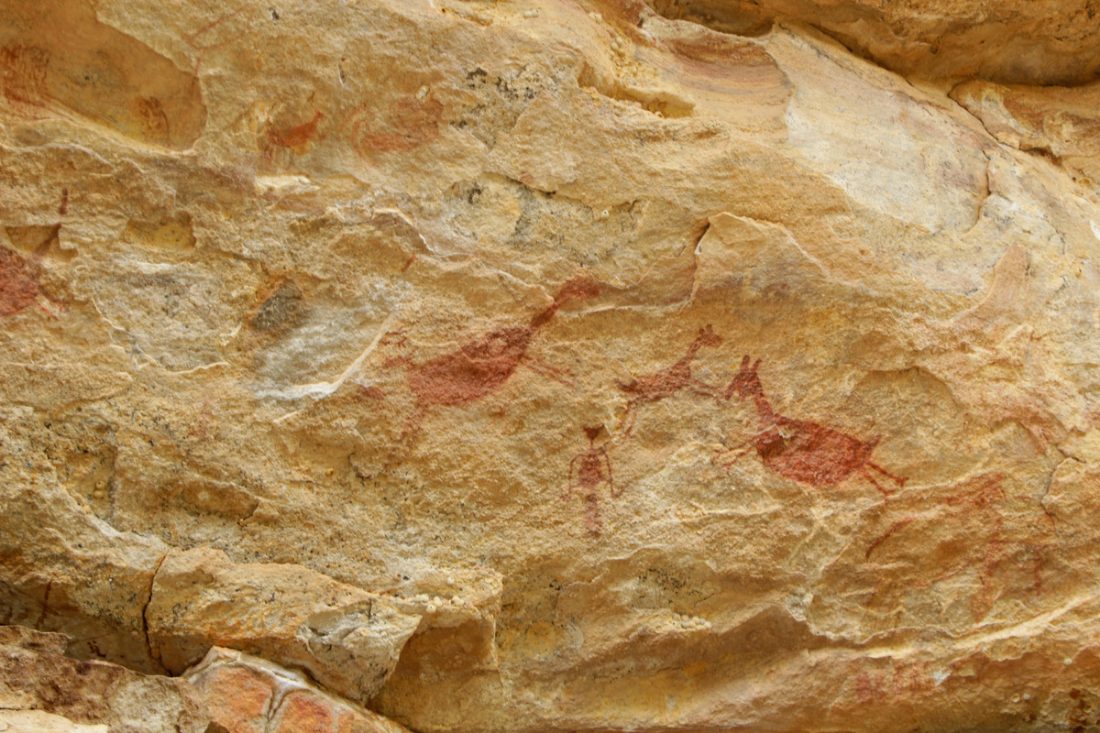
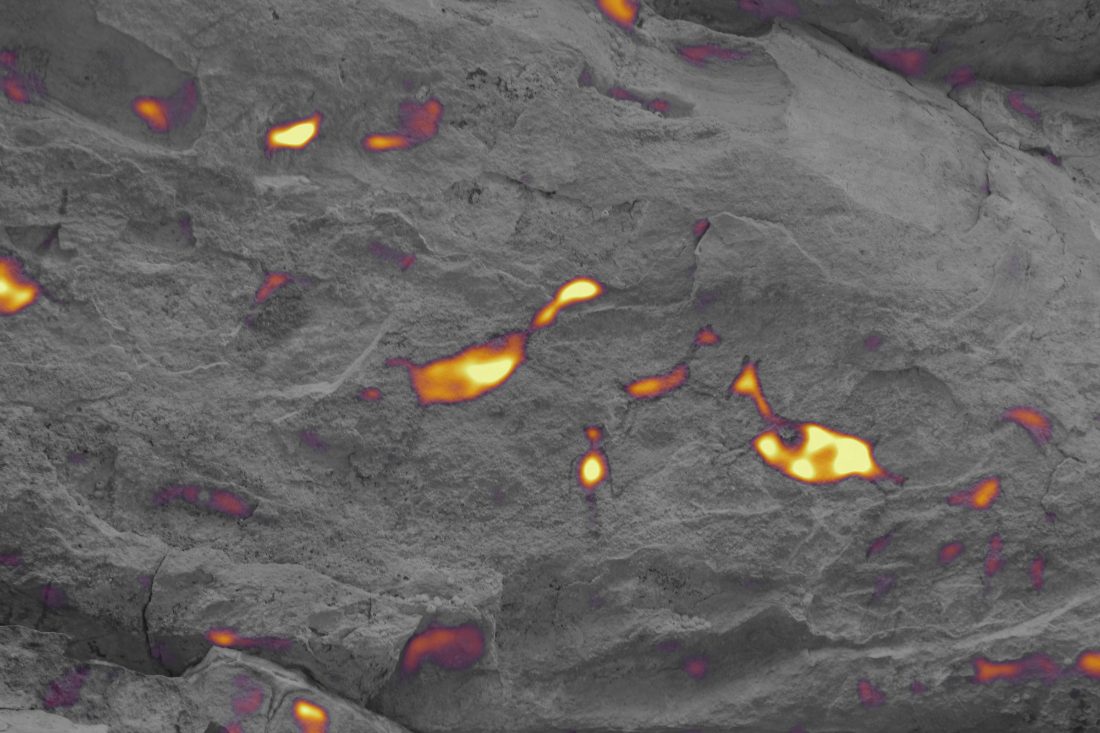
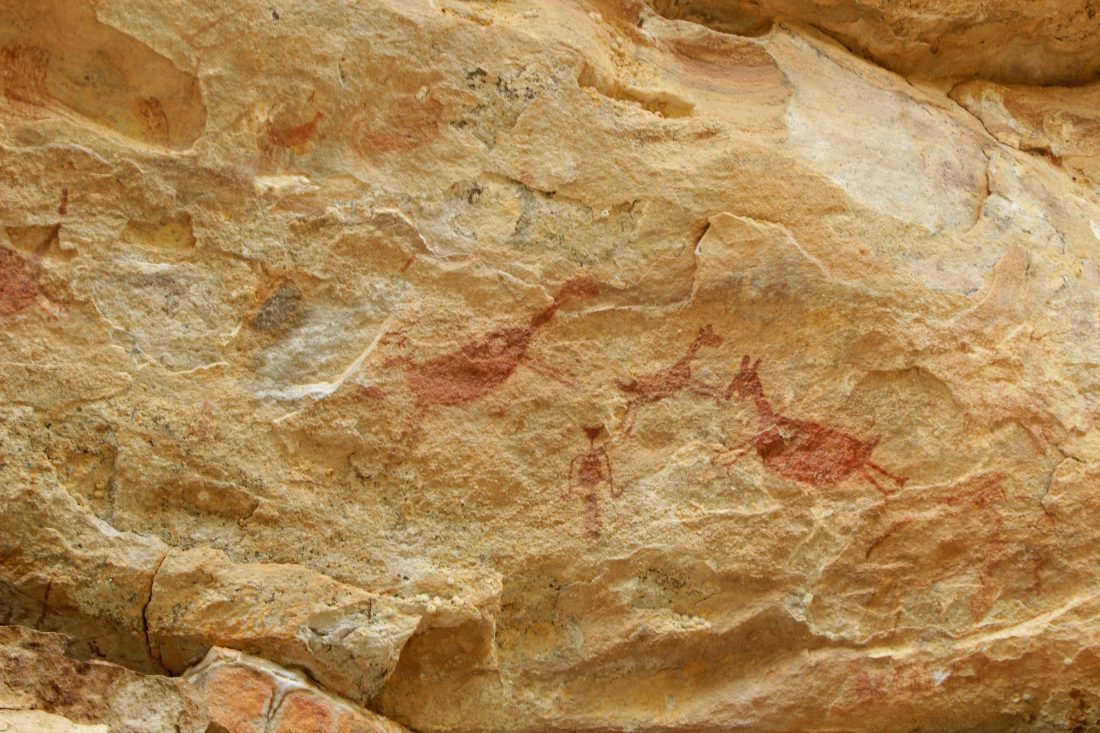
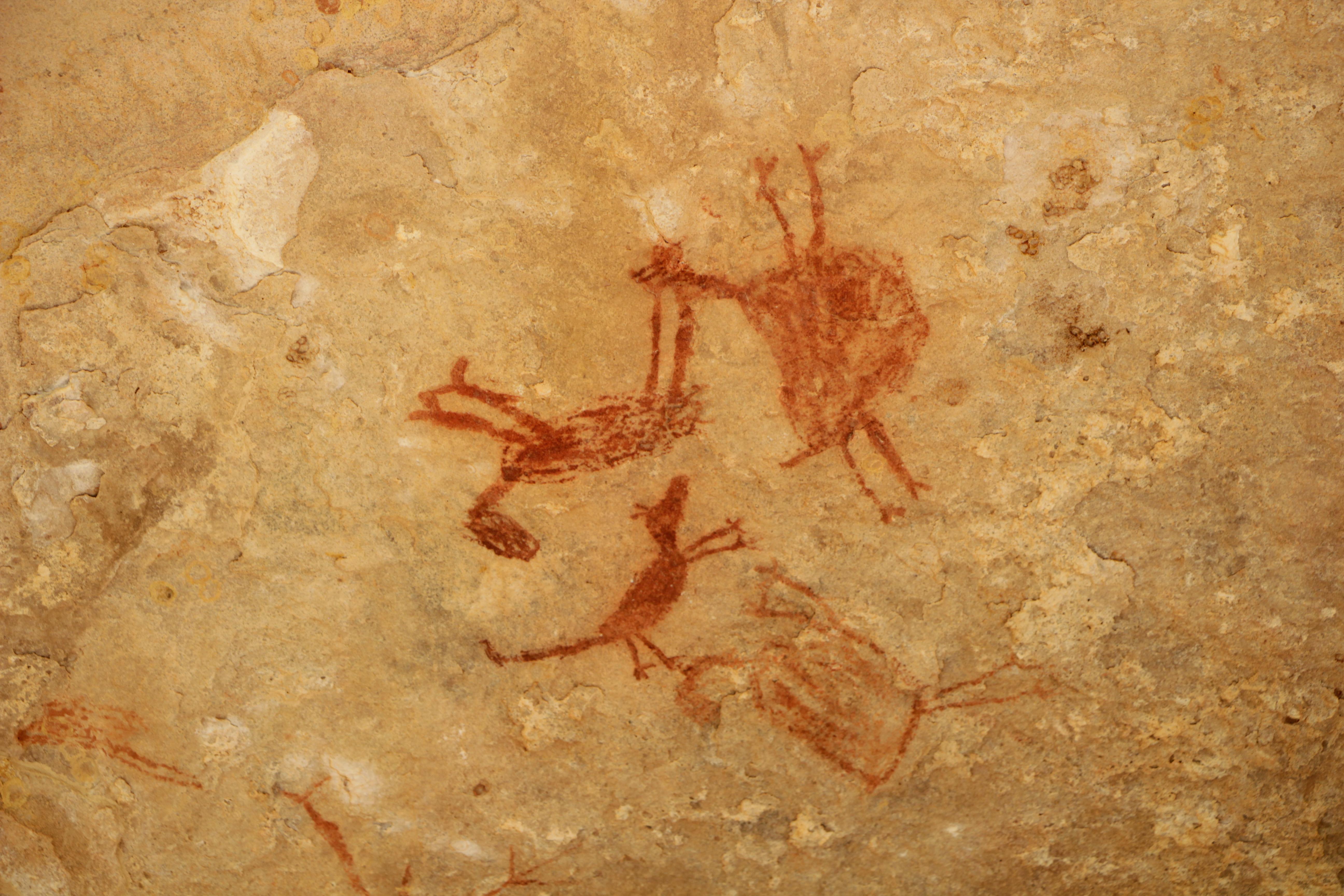
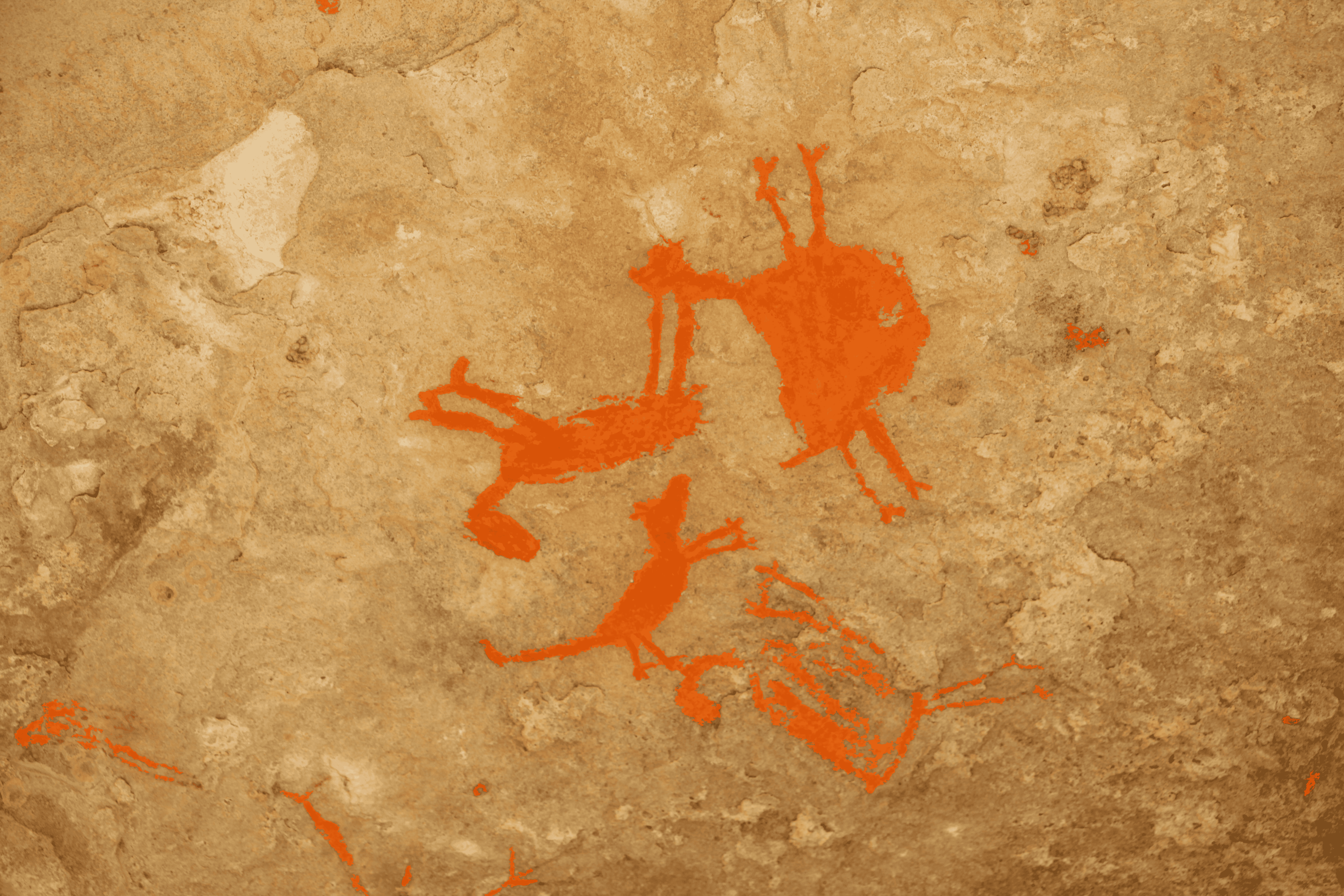
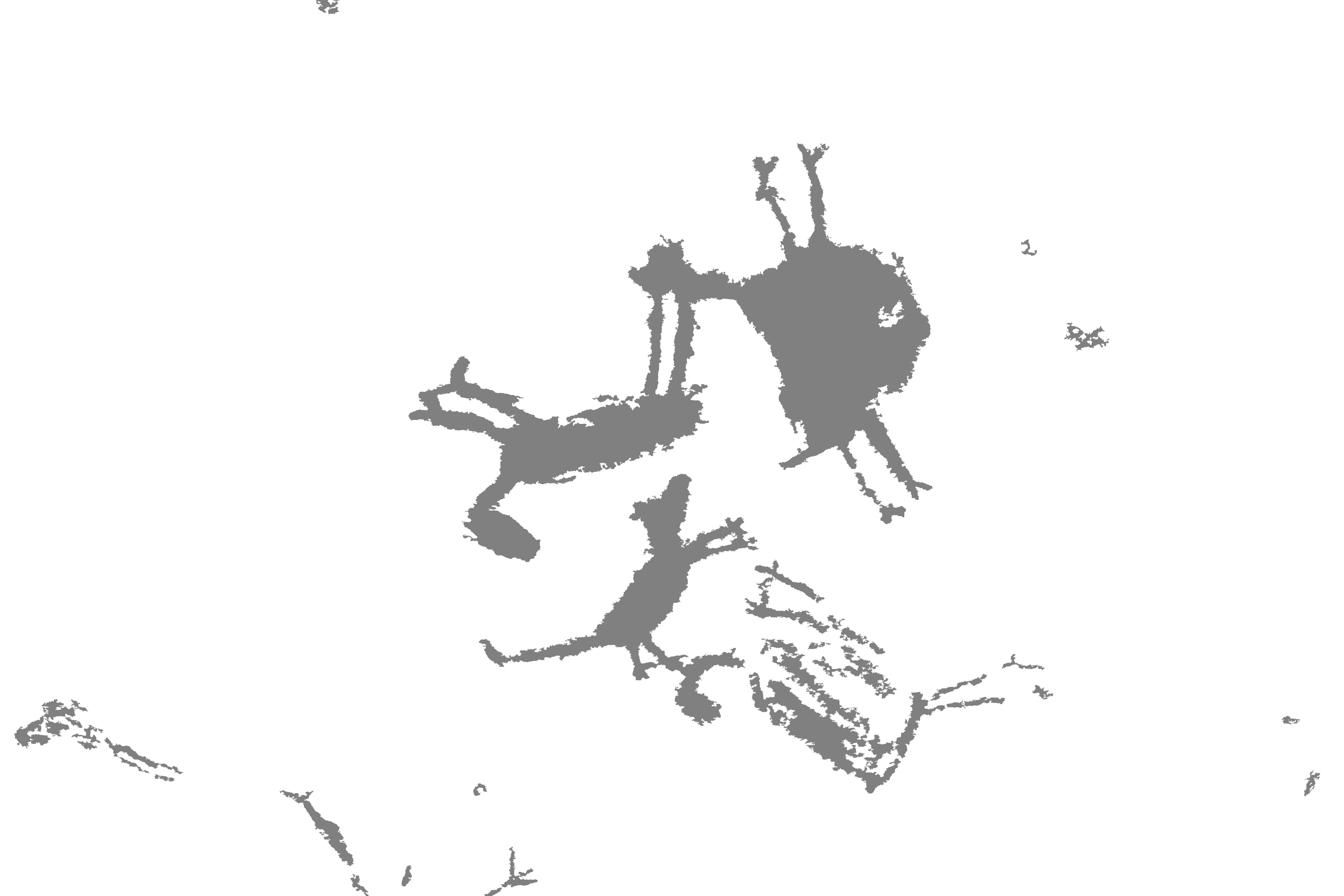
Thousands of years ago, these four zoomorphic figures were painted in the walls of Toca da Entrada do Baixão da Vaca, in Brazil.
To the right, see how Ra3i effortlessly detects pigment and produces a high-fidelity tracing in seconds.
* Based on an average of ~26 seconds per image under ideal conditions — balanced light, single pigment, a stable surface — measured against a 2 hours and 30 minutes baseline an experienced archaeologist typically spends tracing a comparable panel by hand. Harder photographs take longer, at both ends.
{{ zoomBody }}
From panel to tracing
domain-specialised image processing techniques, combined per photograph
full-resolution exports of the tracing, overlays, and process record
Everything that comes back to the archaeologist.
Here’s what a Ra3i session delivers:
Lighting, pigment, surface, and all other heuristics that decide how the image gets processed.
The techniques and parameters Ra3i chose, open to inspection and to change.
Transparent and ready to publish versions of the tracing, overlays and annotated figures.
Each detection, automatic or hand-written, as well as their characteristics.
A single PDF that compiles the analysis, the sequence, the views and the motif record side by side.
Fuel data-driven research.
Every session a team runs also feeds a shared, searchable record of the art itself. Because motifs come back classified and scored the same way everywhere, panels stop being isolated files and start being comparable data.
On the map you can follow a specific motif types across a whole region, look for stylistic kinship between distant sites, or pull up panels recorded under comparable light, pigment, and surface conditions — questions that used to mean weeks in an archive.
Request a demonstrationBuilt by software, archaeology, and heritage science together.

A Portuguese technology company that leads the consortium and is responsible for Ra3i's system architecture, software development, and the engineering behind every processing module.

Contributes the computational research behind image processing and motif classification, bridging archaeology, art history, and computer science.
Home, since December 2025, to Europe's first Chair of Rock Art Archaeology.

Provides archaeological context, domain specific data, classification expertise, and scientific validation, ensuring every output meets the standards of the discipline it serves.
Founding partners
These archaeological teams and heritage bodies care for rock art across several countries. Whether they brought scientific rigor or supplied data, they have helped shaped RA3I into what it is today.
Manages the Côa Valley Archaeological Park and Museum.
marioreis@arte-coa.pt
Research institute for the Nerja Cave, Andalusia.
luisefrenfr@gmail.com
Multidisciplinary research on the Escoural and Maltravieso caves.
hipolitocollado@gmail.com

Municipal archaeology supporting the Tagus Valley collections.
coimbra.rockart@yahoo.com

First major research project on Scottish prehistoric rock art.
jvaldeztullett@gmail.com
Coordinates the Council of Europe's Cultural Route on Rock Art.
rmontes@prehistour.euIf you look after rock art, there's a place for you in the network.